El Tranvia: Family-Owned Mexican Food in Coachella
El Tranvia wasn’t on my radar until today. I had a little spare time and started digging into the far eastern edges of the Coachella Valley, beginning with the city of Coachella itself. I live in Palm Springs, so I rarely make it out that way. I don’t think I’ve ever walked through downtown Coachella at all. When I started looking at Mexican food in Coachella, El Tranvia was the name that stood out, and it was quite a discovery.
Coachella’s Farming Roots and the Railroad Behind It
Ask most people what comes to mind when they hear Coachella and the answer will be the music festival, which, ironically, takes place in Indio. Coachella’s identity runs deeper than that. It’s the agricultural heart of the Coachella Valley. Around 1900, pioneers found that crops here would harvest earlier than anywhere else, and the city and its railroad grew around that. The vast expanses of date palms are the most obvious sign of the farming you’ll see today.
Most of Greater Palm Springs’ tourism and restaurant scene runs from Palm Springs to Indio, but it’s cities like Coachella that made the local farm-to-table ethos possible. Three tribal casinos sit around the city, helping draw visitors to this end of the valley.
A Short Walk to a Neighborhood Secret
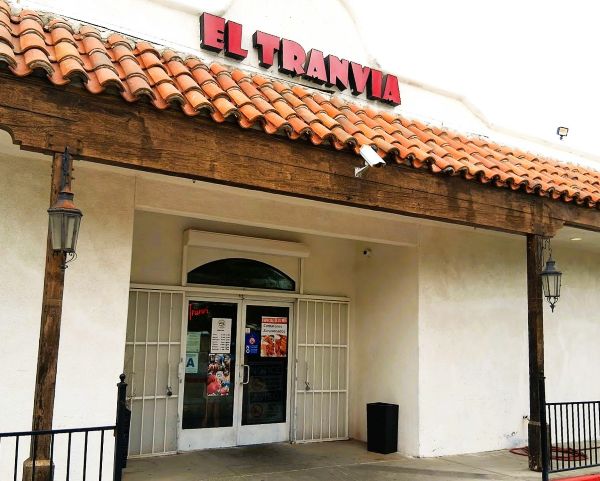
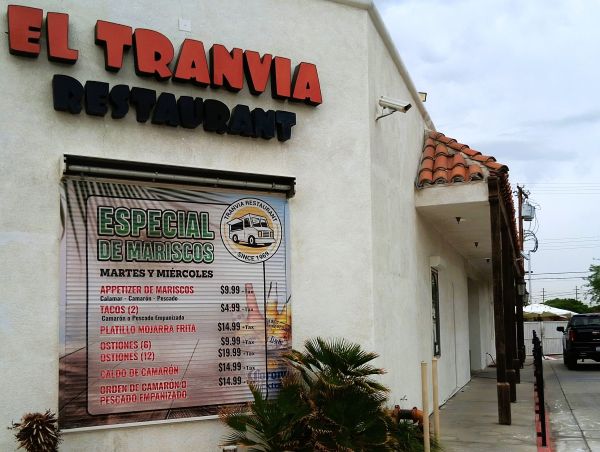
El Tranvia sits on Sixth Street, the epicenter of Coachella. You reach it by following the train tracks and passing the date palms out of Indio. The predominantly Hispanic community has made it a street rich in culture. I was drawn to a scene of five older men sitting quietly, unhurried, on a bench as I parked my car. It’s the kind of gathering you just don’t see in communities today.
Sixth Street is a short walk past a bakery, a coffee shop, the park, the murals and the library. This Mexican restaurant began inside a liquor store in 2010 before moving into its current, fully fledged home about 10 years ago. Newly expanded, with hours that run from breakfast to midnight on weekends, it has largely remained a secret to the rest of the Coachella Valley.
From a Family Food Truck to a Mexican Cantina
El Tranvia is family owned, and its story traces back even further, to 1969 and the current owners’ grandparents in Mexico. The name translates as “the streetcar” and was the name of the food truck business that started the family’s culinary journey. Many of its traditional Mexican recipes, including the mole, trace directly back to those roots. The name feels particularly fitting in a city whose history is so closely tied to the railroad.
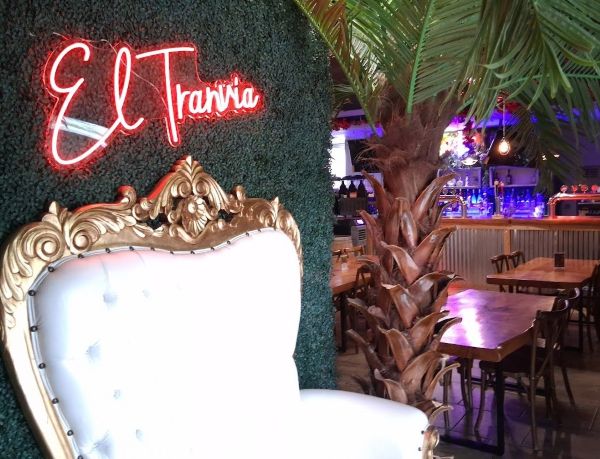
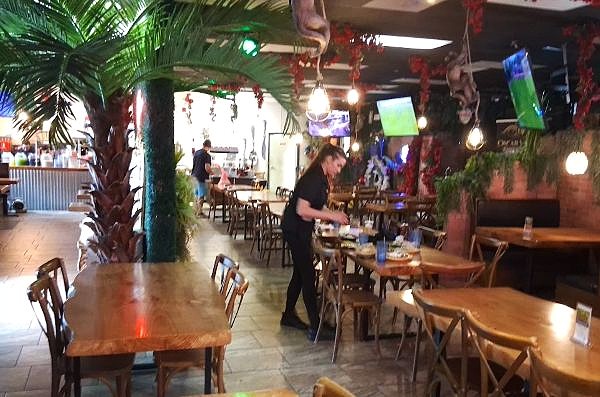
Inside, it feels like a Mexican cantina. The long room is anchored on one side by a bar and on the other by a food service counter, with a stage at the back complete with karaoke signage. Booths, long communal tables and thick rustic wood surfaces fill the floor, and plenty of greenery adds a festive touch. Some of it is synthetic, and the photo-op neon “El Tranvia” sign above a throne may read a little gimmicky. But I’ll admit it adds to the charm.
Birria, Carnitas and Seafood on the Menu
The menu reads Jalisco and Michoacán, with birria served several ways (there’s even a birria pizza) and carnitas cooked Michoacán style. Cactus turns up in a rib plate, in fajitas and in a salad. There’s a full seafood section, from ceviche and a red-and-green aguachile to prepared oysters and grilled zarandeado fish, and the everyday taqueria side covers burritos, tortas, quesadillas and tacos, with corn and flour tortillas both made by hand.
One item stood out for another reason: the Chiles Güeritos de Dátil, stuffed with local Coachella Valley dates as an ode to the community.
Authentic Birria Tatemada
I did my research before I went and already knew I was going to order the Birria Tatemada, something completely new to me. I had learned that traditionally the dish is made with goat, though beef has become more common. When I sat down, the waitress recommended the Mole and the Chile Relleno. But when I pointed to the Birria Tatemada on the menu, she gave me a knowing, slightly surprised nod of approval.
I asked if it was beef.
“Beef or goat,” she said.
“Beef,” I answered, and I saw her hesitate.
“Traditionally it’s goat?” I conceded.
“Yes,” she said.
“I’ll have it the way it’s supposed to be served, then.”
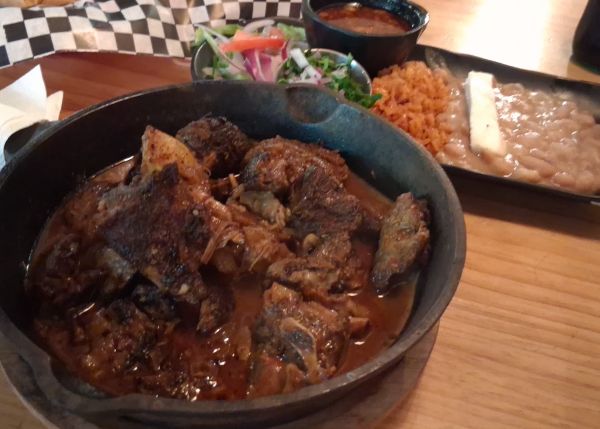
The goat birria arrived fresh and steamy with almost as much drama as a sizzling skillet of fajitas, albeit a bit more quietly. My first taste was straight from the cast-iron skillet, no tortilla, no condiments, and I was sold. It was rich and soft, with a depth I didn’t expect, helped along by the broth it sat in. The tatemada step gives the meat a second char, and the edges were caramelized and smoky. Some pieces were still on the bone, but all of it shredded easily with a fork.
The corn tortillas came next. I don’t think I’ve ever seen them thicker: soft, pillowy and doughy, almost like naan. The consommé arrived on the side, a lighter dipping broth to the one in the skillet. The beans came whole and tender in a light broth, topped with a slab of fresh queso panela. I haven’t had benas so perfectly prepared before. A side of Spanish red rice rounded out the plate. Even the side salad got attention: chopped lettuce, tomato, red onion and cilantro, all fresh, flavorful and bright to look at. The highlight was the goat, tender and deeply flavored in its rich, stewy broth, with the thick tortillas right behind it. Everything else on the plate just added to it.
Why El Tranvia is Worth the Drive from Palm Springs
I love arriving at a surprise like this. I’ve spent the last few years broadening my knowledge of Mexican food, and I recently wrote about Delicias in Desert Hot Springs. El Tranvia sits at the traditional end of that journey, with recipes rooted in Mexican heritage and in the Coachella community around it.
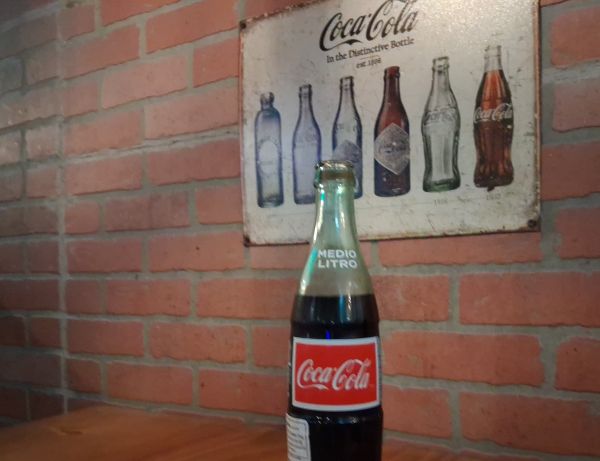
For this regular white guy, a new spot often means leaning on a knowing friend’s recommendation, and walking into one cold can be a little intimidating. Here I never felt out of place. At the next table, a Spanish-speaking family talked entirely in Spanish except for one kid saying “six-seven.” I chuckled, and the dad chuckled when he saw me. The reports I’d read on authenticity proved true. I left feeling like I’d had a homemade meal. All three servers on duty attended to my table at some point, and the connection with my waitress was endearing, maybe because I started with a Mexican Coke and then ordered a dish I wouldn’t normally order.
Next time it’s the Mole or the Chile Relleno she recommended.
Coachella can feel like an out-of-town trip from Palm Springs, but I end up in this part of the Coachella Valley for concerts at the casinos, old town Indio and the festival grounds. Whatever brings you out here, go a little further than La Quinta and Indio. Walk Sixth Street. There’s more along it, and for Mexican food in Coachella, El Tranvia is a good place to start.